
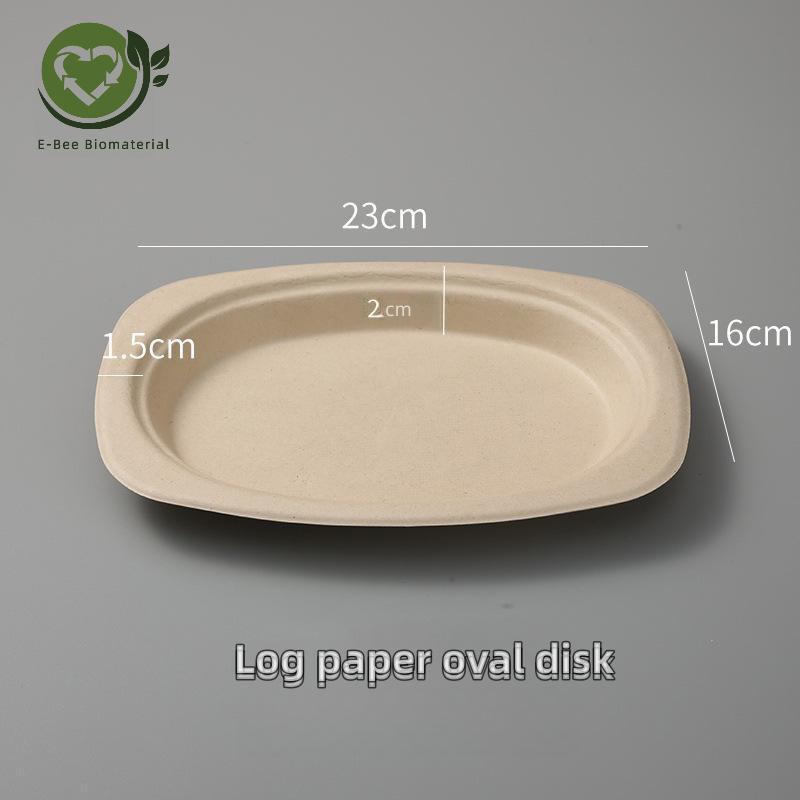
In an exciting development for environmental sustainability, recent advancements have made coffee cup lids recyclable, representing a significant breakthrough in the quest to reduce waste from single-use products. This innovation aligns with the growing global demand for eco-friendly alternatives to traditional disposable tableware, and companies like E-Bee Biomaterial Co., Ltd. are at the forefront of this movement.
### The Challenge of Disposable Coffee Cup Lids
Coffee shops around the world serve millions of takeaway beverages daily, most of which come with plastic lids. Traditionally, these lids have posed a significant recycling challenge. Made from materials that are often too thin or composed of mixed plastics, they typically end up in landfills or as litter, contributing to the global plastic pollution crisis.
Moreover, the light weight and small size of coffee cup lids make them particularly difficult to collect and process in conventional recycling systems. As a result, many municipalities have excluded them from recycling programs, compounding waste management problems.
### Breakthrough in Recyclable Coffee Cup Lids
Recent advancements in biomaterial technology and manufacturing processes have led to the production of coffee cup lids that are fully recyclable, without compromising on durability or user convenience. These lids are made from innovative biodegradable materials that meet food safety standards while being compatible with existing recycling facilities.
Such materials ensure that coffee cup lids can be collected alongside paper cups or other recyclables, significantly reducing waste that would otherwise end up in incinerators or landfills. This development helps close the loop in the disposable tableware lifecycle and supports circular economy principles.
### E-Bee Biomaterial Co., Ltd.: Leading the Change
At the heart of this innovation is E-Bee Biomaterial Co., Ltd., a leading manufacturer and supplier specializing in biodegradable disposable tableware. Committed to providing environmentally friendly alternatives, E-Bee has long focused on sustainable development and innovation to combat the environmental impact of single-use plastics.
With a firm commitment to quality and safety, E-Bee has passed the rigorous food safety management system certification (HACCP), ensuring their products are not only sustainable but also safe for everyday use. This certification underscores their dedication to responsible manufacturing and consumer health.
### Sustainable Development and Innovation
E-Bee’s approach to sustainable disposable tableware is multifaceted. The company invests heavily in research and development to create materials that degrade naturally without leaving harmful residues. By replacing traditional petroleum-based plastics with biomaterials derived from renewable sources, E-Bee reduces dependence on fossil fuels and lowers greenhouse gas emissions associated with production.
The recyclable coffee cup lids are a testament to E-Bee’s innovative spirit. Made from plant-based materials, these lids combine the necessary physical properties—such as heat resistance, strength, and moisture protection—with environmental benefits. They decompose more quickly in industrial composting facilities and can be processed in recycling plants, making them versatile and eco-conscious.
### Impact on the Environment and the Industry
The introduction of recyclable coffee cup lids holds significant promise for reducing plastic pollution. It addresses one of the pain points of the disposable beverage sector, where coffee cups and lids together have traditionally generated large amounts of waste.
As more coffee shops and consumers adopt recyclable lids, the volume of plastic waste diverted from landfills could increase dramatically. Furthermore, this innovation encourages other players in the disposable tableware market to reconsider their materials and production methods, potentially sparking a wider shift toward sustainable alternatives.
Environmental groups have welcomed this development, emphasizing its potential to reduce microplastic contamination and improve waste management efficiency. For consumers, recyclable coffee cup lids offer a guilt-free way to enjoy beverages on the go without compromising environmental responsibility.
### Moving Forward: Challenges and Opportunities
Despite the promise of these recyclable lids, challenges remain. For instance, recycling infrastructure needs to be further developed and standardized to handle newer biomaterials efficiently. Public awareness and education will also play critical roles in ensuring consumers properly dispose of recyclable items.
E-Bee Biomaterial Co., Ltd. is actively collaborating with local governments, recycling centers, and commercial partners to build the necessary networks for effective waste collection and processing. These partnerships aim to establish clear guidelines and robust systems to maximize the environmental benefits.
Moreover, the company continues to innovate and explore new biomaterial formulations to further improve product performance and sustainability. By doing so, E-Bee hopes to set new industry standards that balance convenience, safety, and ecological responsibility.
### Conclusion
The advent of recyclable coffee cup lids marks a milestone in the journey toward sustainable disposable tableware. With leading companies like E-Bee Biomaterial Co., Ltd. driving innovation and promoting eco-friendly alternatives, consumers and businesses have practical options to reduce their environmental footprint.
As these recyclable lids become more widely available and integrated into daily life, they have the potential to significantly mitigate plastic pollution, promote circularity, and encourage sustainable consumption habits. This development reflects a broader shift toward responsible manufacturing and consumption, paving the way for a greener, cleaner future.
By choosing recyclable disposable tableware, we all contribute to preserving the environment—one coffee cup at a time.